Photos and Text by Eki Qushay Akhwan
In any cultures, a wedding is always a sacred and happy occasion. The sacredness and happiness of this occasion may find different expressions in different cultures. But essential things are almost always there: A family meeting, a blessing, a vow, and a party or feast.
A traditional Bandung (Sundanese) wedding begins long before the D day when the groom's family visits the bride's family to do what Sundanese call "nendeun omong" (giving words). This is not a formal proposal, but an introduction between the two families in which the groom's family informally states (give words of) their intention of proposing the other family's daughter for their son. This is then followed by a formal proposal or what the Sundanese call "narosan" (asking). Here the groom's family formally ask the girl if she would be willing to marry their son. If the girl agrees, then both families will set the date and begin preparations for the D day.
Here is what typically happens on the D day:
The groom leaves home with an entourage of family members and gifts ("seserahan")for the bride and her family. The gift typically includes all the bride's daily needs (several sets of clothes, shoes, make up, and even jewelery and a house if the groom can afford it), and foods (rice, fruit, vegetables, chicken, goat, etc.) and money. The later items are meant to help share the cost of the girl's family expenses in giving the reception party.
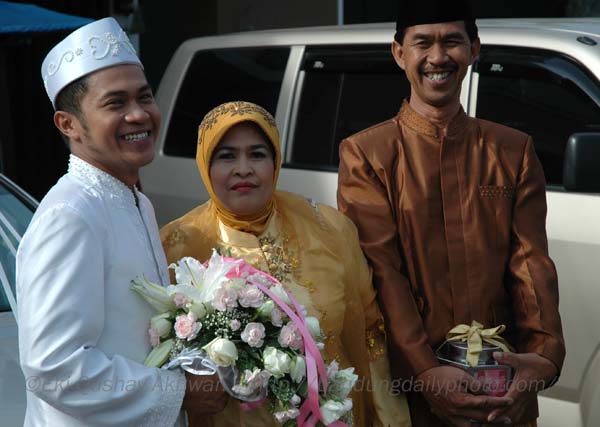
Photo 1: The groom and his family is ready to leave home for the bride's. The jar held by the groom's uncle is gift money for the bride's family.
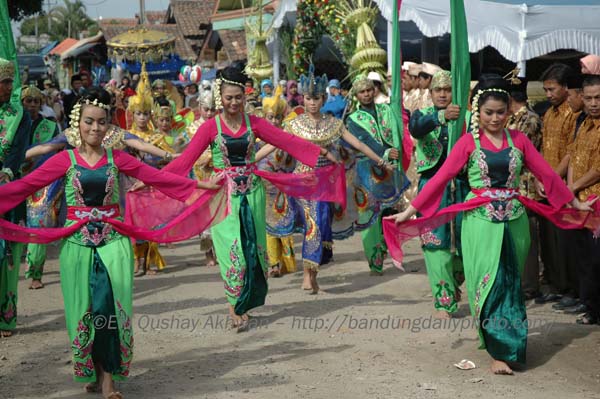
Photo 2: When the groom's entourage arrives on the road that leads to the bride's home, several groups of dancers welcome them.
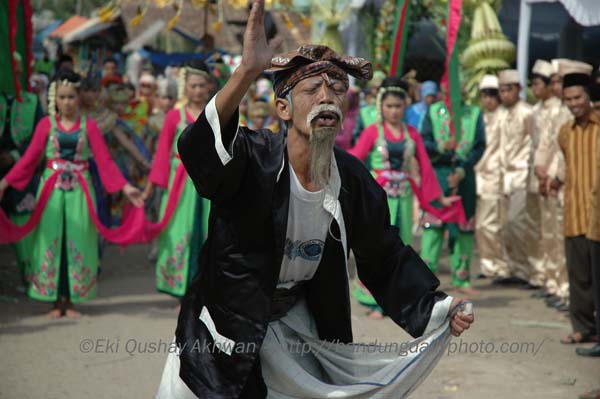
Photo 3: The welcoming party includes two old or senior figures (each representing the bride's and the groom's families) that symblolize the ancestors' wisdom. Through the dialoges they perform, they impart wisdoms and advice about the journey of family life that they couple is about to embark on.
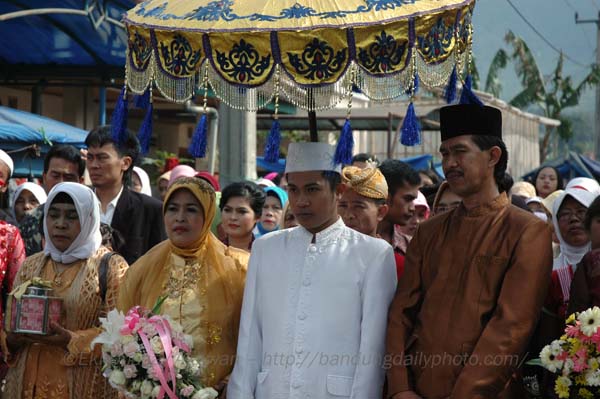
Photo 4: While all this is happening, the groom and his entourage are waiting and listening until they are invited to proceed to the bride's home.
To be continued in part 2 tomorrow.


